beginners guide to wine
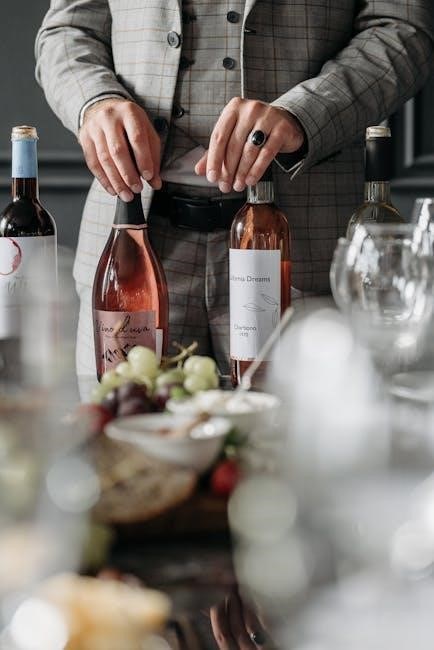
Embarking on a wine journey? This guide simplifies the experience, offering a beginner-friendly path to understanding and appreciating diverse wines․
Learning about wine doesn’t need to be daunting; it’s about exploration and discovering personal preferences through gradual experimentation and available resources․
What is Wine?
Wine, in its simplest form, is an alcoholic beverage made from fermented grapes․ However, this definition barely scratches the surface of a drink steeped in history, culture, and complex production techniques․ The process begins with viticulture – the cultivation of grapevines – and culminates in vinification, the art of winemaking․
Different grape varieties yield vastly different wines, each possessing unique characteristics influenced by factors like climate, soil, and the winemaker’s choices․ Wine isn’t merely a drink; it’s an agricultural product reflecting its terroir – the complete natural environment in which it’s produced․
From crisp whites to robust reds and everything in between, wine offers a spectrum of flavors, aromas, and textures․ Understanding these nuances is key to appreciating the beverage fully․ It’s a journey of discovery, and even seasoned enthusiasts are continually learning!
Why Learn About Wine?
Expanding your wine knowledge elevates dining experiences and social gatherings․ No longer will you rely solely on the label; you’ll confidently select bottles that complement your meals and suit your palate․ Learning about wine unlocks a deeper appreciation for its artistry and the dedication of winemakers․
It’s about more than just taste; it’s about understanding the stories behind the bottles – the regions, the grape varieties, and the traditions․ This knowledge empowers you to navigate wine lists with ease and engage in informed conversations․
Furthermore, exploring wine opens doors to travel and cultural immersion․ Wine regions around the world offer breathtaking landscapes and opportunities to connect with local communities․ Ultimately, learning about wine is a rewarding journey of sensory exploration and intellectual enrichment․
Understanding Wine Types
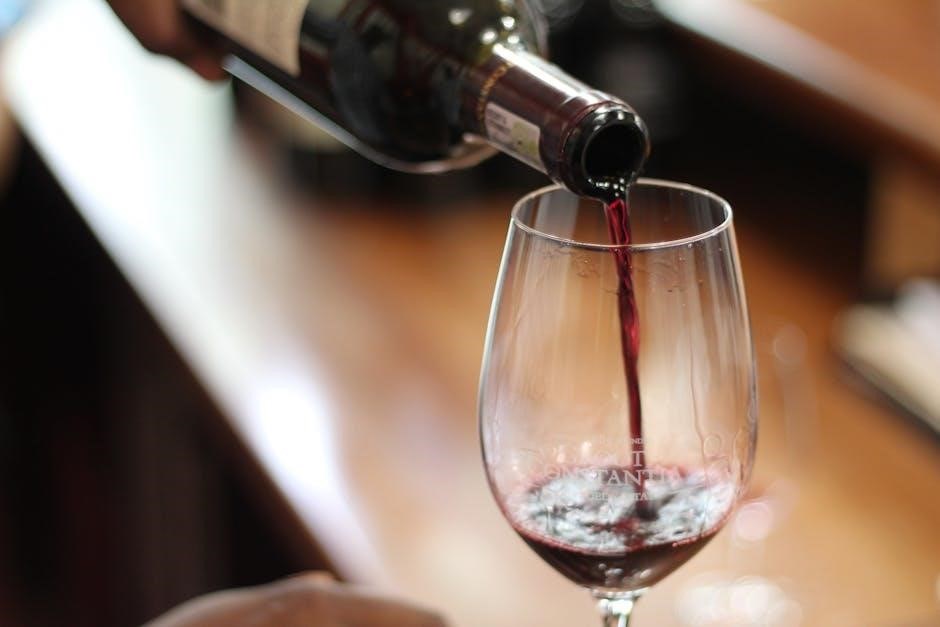
Wine comes in a delightful array of styles! From robust reds and crisp whites to playful rosés and celebratory sparkling wines, each offers a unique experience․
Red Wine Varieties
Red wines derive their color from grape skins during fermentation, offering a spectrum of flavors and aromas․ Popular choices for beginners include Cabernet Sauvignon, known for its bold tannins and black fruit notes, and Merlot, a softer, more approachable option with red fruit characteristics․
Pinot Noir presents a lighter body and earthy undertones, while Syrah/Shiraz delivers spicy, peppery flavors․ Exploring these varieties provides a foundation for understanding red wine profiles․ Don’t be afraid to sample different bottles within each type, as regional variations significantly impact the final taste․
Consider starting with a lighter-bodied red like Beaujolais before venturing into fuller-bodied options․ Understanding the grape’s origin and characteristics will enhance your appreciation and guide your palate towards preferred styles․ Remember, personal preference is key!
White Wine Varieties
White wines, typically lighter and crisper than reds, offer a refreshing range of flavors․ Chardonnay is a versatile choice, exhibiting buttery notes when oak-aged or crisp citrus flavors when unoaked․ Sauvignon Blanc is known for its herbaceous aromas and zesty acidity, making it a vibrant option․
Pinot Grigio/Gris provides a light, dry, and refreshing experience, while Riesling ranges from bone-dry to lusciously sweet, showcasing floral and fruity aromas․ Exploring these varieties introduces you to the diverse world of white wine․ Consider the climate where the grapes are grown; cooler climates generally produce more acidic wines․
Begin with a dry Riesling or Pinot Grigio to understand the spectrum of white wine styles․ Experimenting with different regions and producers will reveal subtle nuances and help you discover your preferences․
Rosé Wine Explained
Rosé wines, celebrated for their pink hue, are crafted from red grapes but are fermented for a shorter period with the skins, resulting in a lighter color and flavor profile․ They bridge the gap between red and white wines, offering a refreshing and versatile experience․
Provence Rosé, from France, is renowned for its dry, delicate flavors of strawberry and citrus․ Other styles, like those from Spain (Rosado) or the US, can range from dry to slightly sweet․ Rosé’s popularity stems from its easy-drinking nature and food-pairing flexibility․
Don’t dismiss rosé as simply a summer drink; quality rosés can be enjoyed year-round․ Experiment with different production methods – saignée (bleeding) or maceration – to understand the variations in color and taste․ It’s a fantastic entry point for those new to wine!
Sparkling Wine – A Beginner’s Look
Sparkling wines, instantly recognizable by their bubbles, offer a festive and celebratory drinking experience․ While Champagne from the Champagne region of France is the most famous, many excellent sparkling wines are produced globally using different methods․
Prosecco, from Italy, is a popular and affordable option, typically fruitier and less complex than Champagne․ Cava, from Spain, offers a drier style with a similar production method to Champagne․ The bubbles themselves are created through a second fermentation, either in the bottle (traditional method) or in a tank․
Understanding terms like Brut (dry), Extra Dry (slightly sweeter), and Demi-Sec (sweet) will help you choose a style you’ll enjoy․ Sparkling wines pair beautifully with appetizers, seafood, and desserts – a versatile choice for any occasion!
Decoding Wine Labels
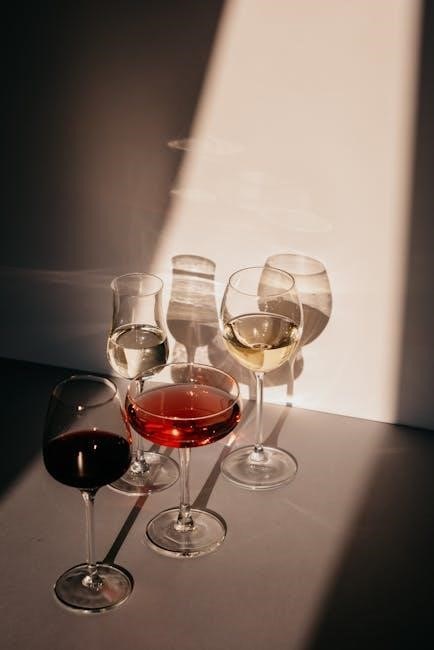
Wine labels hold crucial information! They reveal the wine’s origin, grape variety, producer, and alcohol content – essential clues for understanding its character and quality․
Key Information on a Wine Label
Understanding the elements on a wine label is fundamental for any beginner․ Firstly, the producer’s name indicates who made the wine, offering a clue to its style․ The wine’s name might denote the grape variety (like Cabernet Sauvignon) or a specific brand․ Crucially, the region of origin – whether it’s a country, state, or specific appellation – significantly impacts the wine’s flavor profile due to climate and soil․
Look for the alcohol by volume (ABV), usually expressed as a percentage; higher ABV often suggests a fuller-bodied wine․ The vintage, or year of harvest, can indicate quality, as weather conditions vary annually․ Finally, legal disclaimers and bottling information are present, though less crucial for initial understanding․ Deciphering these details empowers you to make informed choices and appreciate the story behind each bottle, moving beyond simply choosing based on the label’s appearance․
Understanding Wine Regions
Wine regions profoundly influence a wine’s character․ Different climates, soil types, and winemaking traditions create unique styles․ France’s Bordeaux is famed for Cabernet Sauvignon and Merlot, while Burgundy excels in Pinot Noir and Chardonnay․ Italy’s Tuscany produces renowned Chianti, and California’s Napa Valley is celebrated for its Cabernet Sauvignon․
New World regions – like Australia, Argentina, and Chile – often showcase bolder, fruit-forward wines due to warmer climates․ Understanding these geographical influences helps predict a wine’s flavor profile․ For example, wines from cooler regions tend to be more acidic and lighter-bodied, while warmer regions yield richer, fuller-bodied wines․ Exploring wines from diverse regions broadens your palate and deepens your appreciation for the art of winemaking, revealing the ‘terroir’ – the sense of place – within each bottle․
Vintage – What Does It Mean?
The ‘vintage’ on a wine label indicates the year the grapes were harvested․ It’s a crucial factor, as weather conditions significantly impact grape quality․ A great vintage means favorable weather – sufficient sunshine, adequate rainfall, and moderate temperatures – resulting in high-quality grapes and, consequently, exceptional wine․
However, a ‘good’ vintage is relative to the region․ What’s ideal in Bordeaux might differ drastically from Napa Valley․ Some years are universally praised, while others are considered average or even challenging․ Vintage charts, readily available online, offer guidance, but remember they are generalizations․ Don’t automatically dismiss wines from less-celebrated vintages; skilled winemakers can still produce excellent wines even in difficult years․ Ultimately, your palate is the best judge!
The Art of Wine Tasting
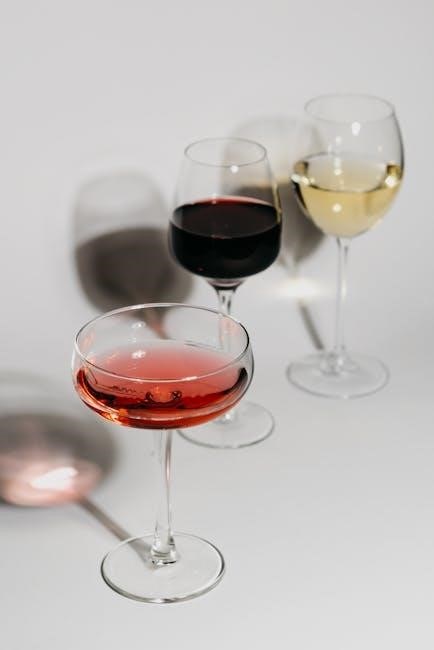
Unlock your senses! Wine tasting involves a systematic approach – See, Swirl, Smell, and Sip – to fully appreciate its aromas, flavors, and overall complexity․
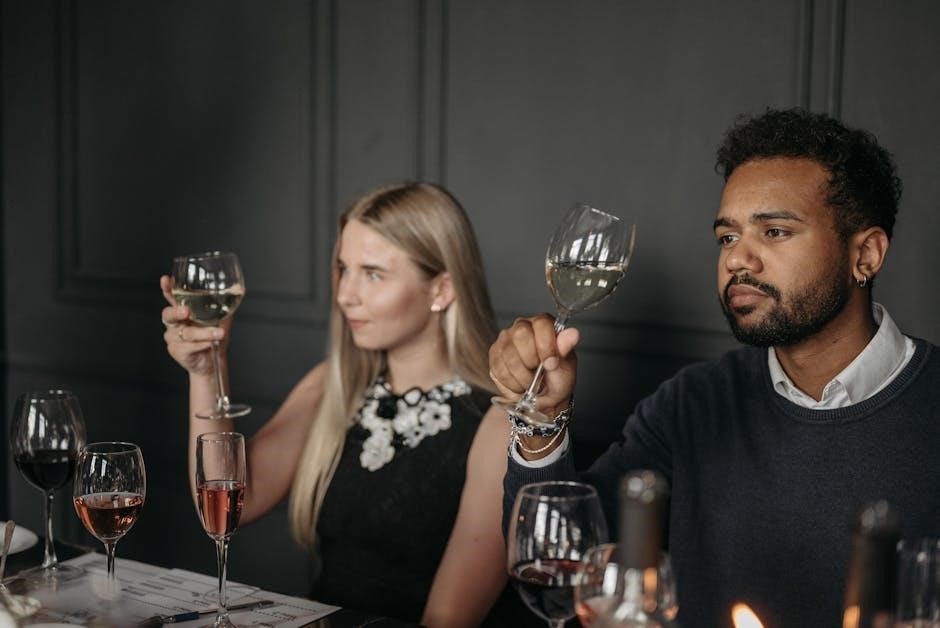
The Four S’s of Wine Tasting (See, Swirl, Smell, Sip)
Mastering the Four S’s is fundamental․ First, See – observe the wine’s color and clarity, noting its hue and depth․ This provides initial clues about age and grape variety․ Next, Swirl the wine gently in your glass․ This aeration releases aromatic compounds, preparing your nose for the next step․
Then, Smell – deeply inhale the aromas․ Identify fruit notes (citrus, berries), floral scents, or earthy undertones․ This is where much of the wine’s character is revealed․ Finally, Sip – take a small sip, allowing it to coat your entire mouth․
Consider the wine’s acidity, tannins (that drying sensation), sweetness, and overall balance․ These steps, practiced consistently, will sharpen your palate and enhance your enjoyment of wine, transforming casual drinking into a mindful experience․
Identifying Basic Flavors in Wine
Decoding wine flavors begins with recognizing primary categories․ Fruit flavors are dominant – red wines often exhibit cherry, raspberry, or plum notes, while white wines showcase citrus, apple, or pear․ Floral aromas like rose or violet can add complexity, particularly in lighter-bodied wines․
Earthy notes, such as mushroom or forest floor, are common in older or more rustic wines․ Spice flavors – pepper, clove, or vanilla – often arise from oak aging․ Don’t be afraid to use descriptive terms, even if they seem unusual!
Remember, flavor perception is subjective․ Practice identifying these basic flavors, and gradually you’ll develop a more nuanced palate, recognizing subtle variations and appreciating the unique character of each wine․ Building a ‘flavor library’ is key to enjoyment․
Wine Tasting Terminology
Navigating wine descriptions requires understanding key terms․ Tannins create a drying sensation, common in red wines, influencing structure․ Acidity provides a crisp, refreshing quality, balancing sweetness․ Body refers to the wine’s weight – light, medium, or full – felt on the palate․
Finish describes the lingering flavors after swallowing; a long finish indicates quality․ Bouquet refers to the aromas developed during aging, distinct from the initial ‘nose’․ Legs (or tears) running down the glass indicate alcohol content, though aren’t a quality indicator․
Terms like ‘oaky’, ‘earthy’, or ‘fruit-forward’ describe flavor profiles․ Don’t feel pressured to use complex language; simple, honest descriptions are perfectly acceptable․ Familiarizing yourself with these terms enhances your tasting experience and communication․
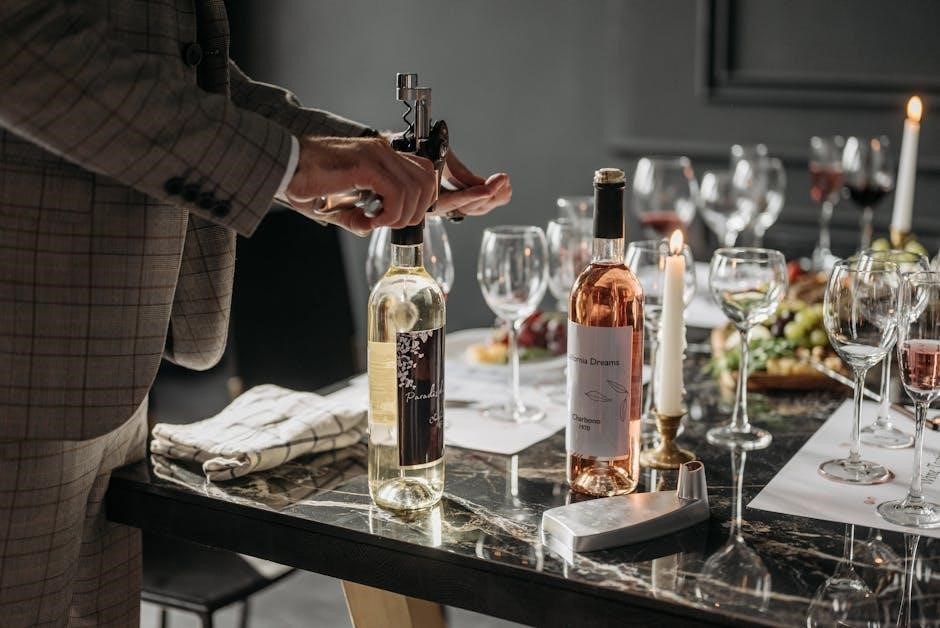
Food and Wine Pairing Basics
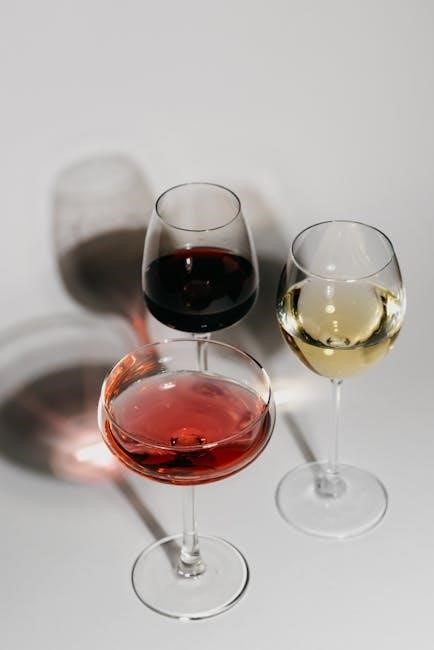
Elevate your meals! Discover how matching wine to food enhances flavors, creating a harmonious experience․ Experiment to find your perfect pairings․
Pairing Red Wine with Food
Red wines, generally bolder in flavor, pair wonderfully with richer foods․ Consider the tannins – those compounds that create a drying sensation – as they interact with proteins and fats․ Lighter-bodied reds like Pinot Noir complement salmon, mushrooms, and roasted chicken․ Their earthy notes enhance these delicate flavors․
For medium-bodied reds such as Merlot, think of roasted pork, pasta with red sauce, or even burgers․ The wine’s softer tannins won’t overpower the food․ Cabernet Sauvignon, a full-bodied red, demands heartier fare like steak, lamb, and aged cheeses․ Its robust structure stands up to intense flavors․
Don’t be afraid to experiment! Spicy dishes can pair surprisingly well with fruity reds like Zinfandel․ Remember, the goal is balance – the wine should complement, not clash with, the food․ A general rule is to match the weight of the wine with the weight of the dish․
Pairing White Wine with Food
White wines, often lighter and crisper than reds, excel with seafood, poultry, and lighter dishes․ Sauvignon Blanc, known for its herbaceous notes, is a fantastic match for salads with goat cheese, shellfish, and grilled vegetables․ Its acidity cuts through richness beautifully․
Pinot Grigio, a dry and refreshing white, pairs well with light pasta dishes, seafood risotto, and appetizers․ Its subtle flavors won’t overwhelm delicate tastes․ For richer seafood like lobster or creamy pasta sauces, consider a Chardonnay – especially one with oak aging, which adds a buttery texture․
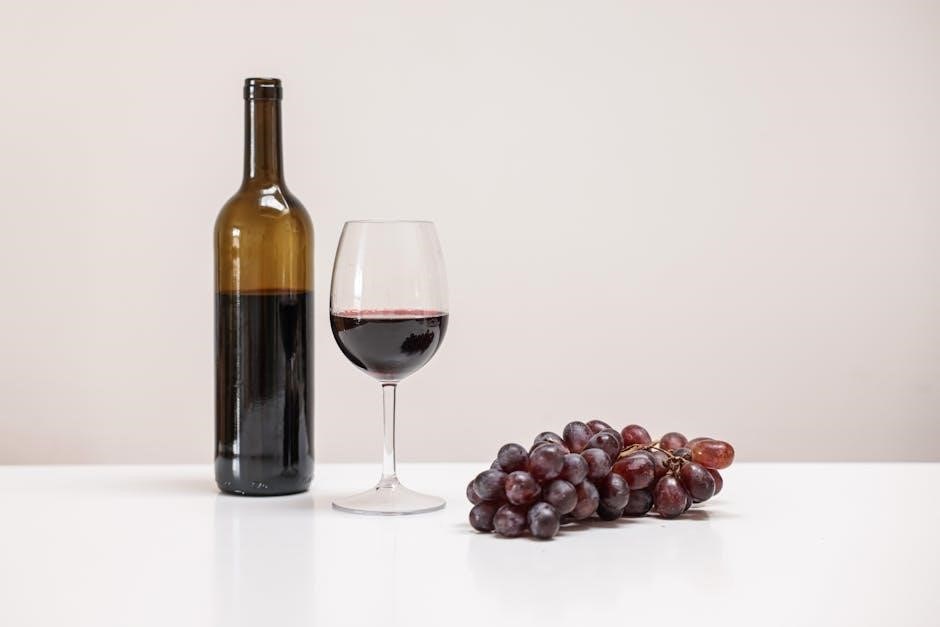
Don’t limit yourself! Spicy Asian cuisine often pairs wonderfully with off-dry Riesling․ The wine’s sweetness balances the heat․ Ultimately, the best pairing is the one you enjoy, so explore and discover your preferences!
Pairing Rosé and Sparkling Wine with Food
Rosé wines, versatile and refreshing, bridge the gap between red and white pairings․ Dry rosés from Provence are excellent with Mediterranean cuisine, grilled fish, and charcuterie․ Their bright acidity complements savory flavors․ Fruitier rosés pair well with salads, light pasta dishes, and even spicy Asian food․
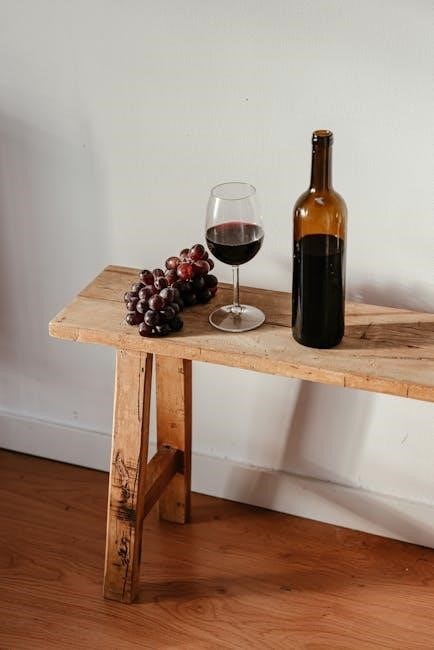
Sparkling wines, like Prosecco or Cava, aren’t just for celebrations! Their bubbles cleanse the palate, making them ideal with fried foods, salty snacks, and appetizers․ Pair a dry sparkling wine (Brut) with oysters, sushi, or potato chips․
Sweeter sparkling wines (Demi-Sec) complement fruit desserts and pastries․ Remember, the key is balance – the wine’s sweetness should match or slightly exceed the dish’s sweetness․ Don’t be afraid to experiment; sparkling wine’s versatility is a joy to discover!
Wine Storage and Serving
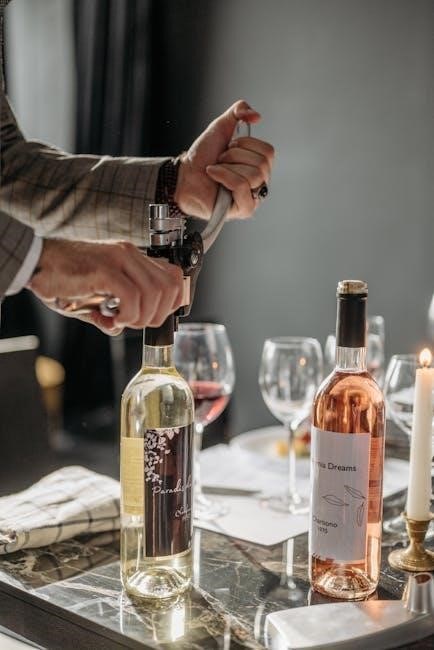
Proper storage and serving significantly enhance wine enjoyment․ Cool, dark places are ideal, while serving temperatures vary—reds slightly cooler than room temperature, whites chilled․
Proper Wine Storage Conditions
Maintaining optimal conditions is crucial for preserving wine quality․ The ideal storage environment prioritizes three key factors: temperature, humidity, and light exposure․ Consistent temperature, ideally around 55°F (13°C), is paramount, as fluctuations can accelerate aging and damage the wine’s delicate flavors․
Humidity levels should be maintained between 60-70% to prevent corks from drying out, which can lead to oxidation․ Conversely, excessive humidity can promote mold growth on labels and corks․ Darkness is equally important; ultraviolet (UV) rays from sunlight or artificial light can degrade wine compounds over time․
Wines should be stored horizontally to keep the cork moist․ Avoid storing wine near strong odors, as they can permeate the cork and affect the wine’s aroma․ A dedicated wine refrigerator or a cool, dark closet are excellent options for long-term storage, ensuring your wines age gracefully and retain their intended character․
Ideal Wine Serving Temperatures
Serving wine at the correct temperature significantly impacts its flavor profile and enjoyment․ Generally, wines are served cooler than room temperature, a common misconception․ White wines benefit from chilling, with lighter-bodied varieties like Sauvignon Blanc best enjoyed between 45-50°F (7-10°C), while fuller-bodied whites like Chardonnay can be served slightly warmer, around 50-55°F (10-13°C)․
Red wines are typically served at “cellar temperature,” between 60-65°F (15-18°C)․ Lighter-bodied reds, such as Pinot Noir, are best slightly cooler, while bolder reds like Cabernet Sauvignon can handle temperatures closer to 65°F (18°C)․
Rosé wines are best served chilled, around 45-50°F (7-10°C), and sparkling wines should be well-chilled, between 40-45°F (4-7°C)․ Using a wine thermometer ensures accurate temperatures, enhancing the aromas and flavors of each unique wine․
Wine Glassware – Choosing the Right Glass
The shape of a wine glass isn’t merely aesthetic; it profoundly influences the wine’s aroma and taste․ Different glass shapes direct the wine to different parts of your palate, enhancing specific characteristics․ For red wines, larger bowls allow for swirling, releasing aromas, while narrower rims concentrate those scents․
White wines benefit from smaller bowls that maintain cooler temperatures and direct aromas towards the nose․ Flute glasses are ideal for sparkling wines, preserving bubbles and showcasing effervescence․ Universal wine glasses, a versatile option, work well for many varieties․
Consider the stem – holding the glass by the stem prevents warming the wine with your hand․ Crystal glasses are often preferred for their clarity and thinness, but quality glass is a great starting point․ Ultimately, choosing a glass that enhances your enjoyment is key!
Resources for Further Wine Education
Expand your knowledge! Explore wine apps, websites, and courses for deeper insights․ Consulting wine experts offers personalized guidance on your learning path․
Wine Apps and Websites
Numerous digital tools can significantly enhance your wine education․ Wine apps, readily available for both iOS and Android, offer features like wine scanning, tasting notes, and personalized recommendations․ Vivino is a popular choice, boasting a vast database and user reviews, allowing you to learn about wines before you buy․
Websites dedicated to wine provide in-depth articles, regional guides, and educational resources․ Wine Folly’s website is visually engaging and simplifies complex topics, making it ideal for beginners․ The Wine & Spirits Education Trust (WSET) website offers information about their courses and qualifications․
For forum-based learning and troubleshooting, the Wine Help Open forum is a valuable resource, particularly for those using Wine (the compatibility layer) on Linux, macOS, or Android․ Remember to consult the Wiki first before posting questions!
Wine Courses and Certifications
For a structured learning experience, consider enrolling in a wine course․ The Wine & Spirits Education Trust (WSET) offers globally recognized qualifications, ranging from Level 1 Award in Wines to the prestigious Diploma․ These courses provide a comprehensive understanding of wine regions, grape varieties, and tasting techniques․
Wine Scholar Guild offers specialized programs focusing on specific wine regions like France, Italy, and Spain, providing in-depth knowledge․ Local wine schools and community colleges often host introductory courses suitable for beginners, offering a more accessible entry point․
Formal education increases wine appreciation and confidence․ While not essential, certifications demonstrate commitment and expertise․ Remember, increasing your knowledge is easy with an open mind and a willingness to learn!
Consulting Wine Experts
Feeling overwhelmed? Don’t hesitate to seek guidance from wine professionals! Sommeliers in restaurants can offer personalized recommendations based on your preferences and meal choices․ Their expertise can elevate your dining experience and broaden your palate․
Local wine shops often employ knowledgeable staff eager to assist with selections․ They can suggest wines within your budget and explain the nuances of different varieties․ Utilize their expertise to discover hidden gems and expand your wine horizons․
Freelance wine journalists and educators, like Jillian Dara, provide insightful analyses and accessible information․ Engaging with experts accelerates learning and fosters a deeper appreciation for the world of wine․ Asking questions is key to unlocking your wine journey!

Leave a Reply
You must be logged in to post a comment.