do not stand at my grave and weep pdf

Article Plan: “Do Not Stand at My Grave and Weep” PDF
This section details accessing the poem in digital format, exploring reliable PDF sources, Google Docs accessibility, and related document options for convenient study.
“Do Not Stand at My Grave and Weep” resonates deeply with individuals navigating grief and loss, offering a comforting perspective on death’s transition rather than finality. Its enduring popularity stems from its simple yet profoundly moving language, transcending religious and cultural boundaries to speak to the universal human experience of mourning. The poem’s accessibility, coupled with its hopeful message, has cemented its place in modern literature and memorial practices.
The poem’s appeal isn’t merely emotional; it’s philosophical. It subtly challenges conventional notions of bereavement, suggesting the deceased aren’t truly gone but transformed into elements of the natural world. This perspective offers solace, shifting focus from absence to a continuing presence within the beauty of existence. The poem’s widespread availability, including easily accessible PDF versions, further contributes to its lasting impact, allowing countless individuals to find comfort in its verses.
Historical Context of the Poem’s Creation
“Do Not Stand at My Grave and Weep” emerged in 1932, a period marked by significant global hardship – the Great Depression’s economic devastation and rising pre-war tensions. While not directly referencing these events, the poem’s themes of resilience and finding peace amidst sorrow arguably reflect the collective anxieties of the time. Mary Elizabeth Frye, a young mother, penned the verses not from personal loss initially, but as a response to a request from a grieving mother.

The original context involved a friend’s son who had died in service. Frye’s empathetic response, crafted on a grocery bag, offered a unique perspective on grief, diverging from traditional Victorian mourning practices. The poem circulated privately for years before gaining wider recognition in the 1970s, becoming a staple in funeral services and readily available in formats like PDF. This delayed recognition underscores the poem’s timeless quality, resonating across generations despite its humble beginnings.
The Story Behind the Poem: A Mother’s Grief and a Comforting Response
The genesis of “Do Not Stand at My Grave and Weep” is rooted in a deeply personal exchange. Mary Elizabeth Frye wasn’t initially grappling with her own bereavement, but responded to the profound grief of a friend whose son had tragically died while serving in the military; Overwhelmed by the mother’s sorrow, Frye sought to offer solace, crafting verses that moved beyond conventional expressions of mourning.
She famously wrote the poem on a piece of brown paper from a grocery bag, a testament to its spontaneous and heartfelt origin. The verses weren’t intended for publication, but as a private message of comfort. The friend deeply appreciated the poem, and it began circulating amongst acquaintances, eventually gaining wider recognition. Today, readily available as a PDF, the poem continues to offer a powerful message of hope and enduring connection, born from one mother’s empathy for another.

The Poem’s Immediate Impact and Spread
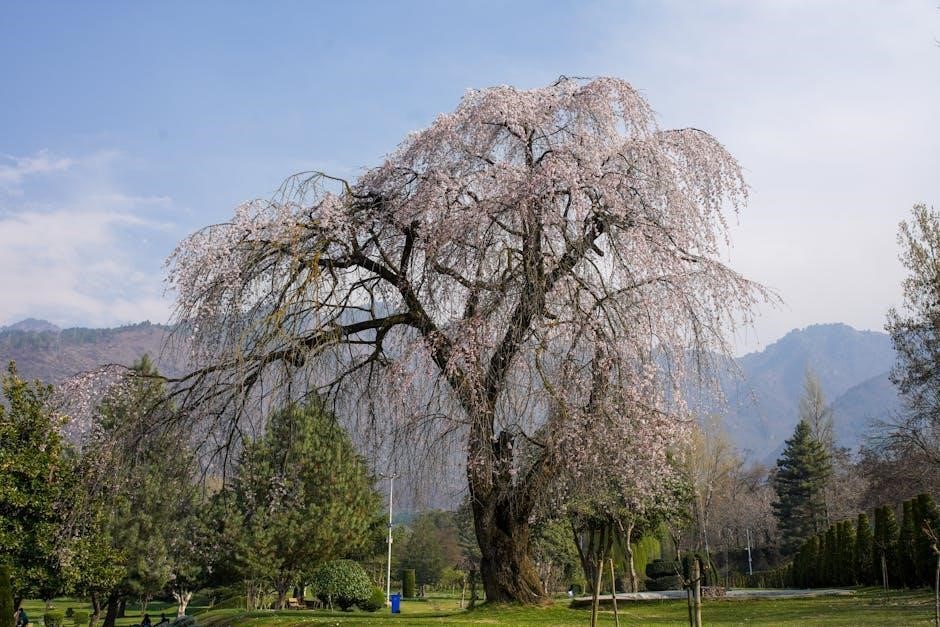
Initially shared within a small circle, “Do Not Stand at My Grave and Weep” experienced a remarkable organic spread, predating the viral nature of the modern internet. Copies were handwritten and passed along, resonating deeply with those experiencing loss or seeking a different perspective on grief. Its accessibility, even without widespread publication, fueled its dissemination.
The poem’s message of transcendence – the idea that the departed live on in the natural world – proved universally appealing. As it circulated, requests for copies increased, leading to its eventual publication and broader distribution. Today, easily found as a PDF online, its enduring popularity speaks to its timeless quality. The poem’s ability to offer comfort and challenge traditional mourning practices cemented its place in popular culture, continuing to touch hearts across generations.

Analyzing the Poem’s Themes
A central theme within Mary Elizabeth Frye’s work is the transcendence of death, positing that the individual doesn’t cease to exist but transforms into elements of the natural world. This is powerfully conveyed through imagery like “a thousand winds” and “sunlight on ripened grain.” The poem, readily available as a PDF for close study, actively rejects conventional expressions of mourning, urging readers away from sorrowful graveside vigils.
Instead, it proposes finding solace in recognizing the departed’s presence in everyday phenomena. This shift in perspective offers a comforting alternative to grief. Furthermore, the poem’s reliance on natural imagery – wind, snow, sunlight – suggests a cyclical view of life and death, mirroring the rhythms of nature. Analyzing the poem’s themes reveals a profound message of hope and enduring connection, readily accessible through digital formats.
Theme 1: Transcendence and the Continuation of Life

Frye’s poem, often found as a readily accessible PDF, powerfully illustrates the idea that death isn’t an ending but a transformation. The speaker doesn’t “sleep” or remain confined to the grave; instead, they become the elements of nature – wind, snow, sunlight. This suggests a continuation of existence in a different form, a dispersal of self into the wider world.
This theme resonates deeply, offering comfort by reframing death as a natural part of a larger cycle. The poem’s imagery isn’t about absence, but about pervasive presence. Accessing the poem digitally allows for repeated readings, reinforcing this message of enduring life. The speaker’s essence isn’t lost, but rather, integrated into the beauty and energy surrounding us, a concept beautifully articulated and easily studied via PDF versions.
Theme 2: Rejection of Traditional Mourning
“Do Not Stand at My Grave and Weep,” frequently shared as a convenient PDF, actively challenges conventional expressions of grief. The opening line is a direct instruction not to mourn in the typical way – by visiting a gravesite and weeping. This immediately establishes a rejection of sorrowful remembrance focused on loss and absence.
Instead, the poem advocates for a celebration of life and a recognition of the deceased’s continued presence in the natural world. The speaker urges remembrance through experiencing the beauty of nature, shifting the focus from a static place of mourning to a dynamic, living connection. Easily accessible through online resources and PDF downloads, the poem’s message encourages a more uplifting and active form of remembrance, moving beyond traditional, passive grief.
Theme 3: Finding Comfort in Nature’s Elements
A core tenet of Mary Elizabeth Frye’s poem, readily available as a PDF, is the profound comfort found within nature. The speaker doesn’t reside in a tomb, but becomes elements of the natural world – wind, snow, sunlight, and rain. This transformation offers solace, suggesting death isn’t an end, but a merging with the ongoing cycle of life.
This theme resonates deeply, offering an alternative to the despair of permanent loss. The poem, often shared and studied via accessible PDF versions, invites readers to find the departed in everyday experiences of nature. The “thousand winds” and “diamond glints” aren’t merely poetic imagery; they represent a continued presence, a tangible connection that transcends physical death. It’s a powerful message of hope and enduring spirit, beautifully encapsulated in a widely circulated and easily downloaded poem.

The Poem in Popular Culture
“Do Not Stand at My Grave and Weep,” frequently accessed as a PDF for memorial services, has permeated popular culture significantly. Its adaptable verses lend themselves beautifully to musical settings, resulting in numerous choral arrangements and song interpretations. These adaptations broaden the poem’s reach, introducing it to audiences beyond traditional literary circles.
The poem’s poignant message makes it a staple at funerals and memorial services, offering a comforting alternative to more conventional elegies. Easily shared as a digital PDF, it provides solace to grieving individuals. Furthermore, the poem’s themes have subtly influenced literature and art, appearing in various creative works as an intertextual reference or source of inspiration. Its enduring appeal ensures continued presence in contemporary expressions of grief and remembrance, readily available for all.
Musical Adaptations of “Do Not Stand at My Grave and Weep”
The poem’s lyrical quality has inspired countless musical interpretations, often shared as accessible PDF sheet music or recordings. Choral arrangements are particularly popular, capitalizing on the poem’s emotive power and suitability for ensemble performance. Many composers have set Frye’s words to original melodies, ranging from simple piano accompaniments to full orchestral scores.
These adaptations extend the poem’s reach beyond the literary realm, introducing it to new audiences through the universal language of music. Online platforms frequently host PDF versions of these musical settings, facilitating access for choirs and individual musicians. The poem’s themes of transcendence and remembrance resonate deeply within musical contexts, enhancing its emotional impact and ensuring its continued presence in contemporary musical repertoire. These versions often circulate freely, fostering a wider appreciation for Frye’s work.
Use in Funerals and Memorial Services
“Do Not Stand at My Grave and Weep” has become a staple reading at funerals and memorial services, offering solace and a shift in perspective during times of grief. Its message of continued existence beyond physical death provides comfort to those mourning a loss, presenting a hopeful alternative to traditional expressions of sorrow. Often, service programs include the poem as a printed PDF handout for attendees.
The poem’s accessibility and universal themes make it suitable for diverse belief systems. It avoids specific religious connotations, allowing it to resonate with a broad audience. Families frequently request the poem be read aloud, or a musical adaptation performed, as a tribute to the deceased. The availability of the poem as a readily downloadable PDF ensures easy inclusion in memorial materials, contributing to its widespread use in honoring loved ones and celebrating their lives;
The Poem’s Presence in Literature and Art
Mary Elizabeth Frye’s poem has transcended its origins, inspiring numerous artistic interpretations and appearing within broader literary contexts. While not a traditionally studied piece in academic literature, its themes frequently echo in contemporary poetry and prose dealing with loss, remembrance, and the cyclical nature of life. Many artists have created visual works – paintings, calligraphy, and digital art – directly inspired by the poem’s imagery, often available as downloadable PDF prints.

The poem’s evocative language lends itself well to adaptation; it’s often referenced or subtly incorporated into other creative works. Online platforms showcase countless examples of individuals sharing their artistic responses, frequently distributing them as easily accessible PDF files. Its enduring appeal ensures continued presence in various artistic mediums, solidifying its status as a culturally resonant piece that continues to inspire creative expression and reflection.

PDF Availability and Online Resources
Numerous websites offer free PDF versions of “Do Not Stand at My Grave and Weep,” alongside Google Docs links for easy access and sharing.
Where to Find Reliable PDF Versions of the Poem
Locating trustworthy PDF copies of Mary Elizabeth Frye’s poem requires discerning sources to ensure accuracy and avoid corrupted files. Several online repositories specialize in classic poetry and offer well-formatted PDFs. Websites dedicated to funeral poetry or grief support often host the poem as a downloadable resource.
Be cautious of unfamiliar websites; prioritize those with clear copyright information and a reputation for quality content. Project Gutenberg, while not directly hosting this specific poem, is a reliable source for verifying text against published versions. Additionally, many libraries offer digital access to poetry collections, potentially including “Do Not Stand at My Grave and Weep” in a downloadable PDF format through their online catalogs.
Always scan downloaded files with antivirus software before opening them, and cross-reference the text with known versions found on reputable poetry sites to confirm authenticity. Utilizing these strategies will help you secure a dependable PDF copy for study or memorial purposes.
Google Docs and Online Accessibility
“Do Not Stand at My Grave and Weep” is readily accessible through Google Docs, offering convenient online editing and sharing capabilities. Users can easily create a new document and copy-paste the poem’s text directly, benefiting from Google’s collaborative features. This allows for shared annotation, discussion, and preservation of the poem within a digital workspace.
Accessibility features within Google Docs, such as adjustable font sizes and screen reader compatibility, enhance inclusivity for diverse users. The poem can be seamlessly integrated into larger documents, presentations, or educational materials. Furthermore, Google Docs’ automatic saving function ensures that your work is protected against data loss.
Sharing permissions allow controlled access, enabling collaboration with family, friends, or study groups. The poem’s text can also be easily converted to other formats, like Microsoft Word or PDF, directly from Google Docs, providing versatile options for distribution and preservation.
Google Sheets and Related Document Access
While not a primary format for poetry, Google Sheets can surprisingly aid in analyzing “Do Not Stand at My Grave and Weep.” Users can input the poem’s text into cells, facilitating word frequency counts or identifying recurring themes. This analytical approach, though unconventional, offers a unique perspective on Frye’s work.
Related document access through Google Drive is a significant advantage. Storing the poem as a Google Doc or PDF within Drive allows for easy organization alongside research materials, critical essays, or biographical information about Mary Elizabeth Frye. This centralized system streamlines the study process.
Furthermore, Google Forms can be utilized to create quizzes or surveys related to the poem’s interpretation and themes. This interactive element enhances engagement and understanding. Accessing related resources – like articles on Taoism or metaphysical poetry – is simplified through Drive’s search functionality, fostering a comprehensive exploration of the poem’s context.

The Poem’s Philosophical Underpinnings
“Do Not Stand at My Grave and Weep” resonates deeply with Eastern philosophical concepts, particularly Taoism, emphasizing the cyclical nature of existence and the interconnectedness of all things. The poem’s imagery – wind, sunlight, snow – embodies this fluidity, suggesting a transformation rather than an ending.
The poem’s rejection of traditional mourning aligns with Taoist principles of accepting change and finding harmony with the natural order. Frye’s work echoes the Taoist belief in wu wei, or effortless action, suggesting a peaceful acceptance of life’s transitions. This contrasts sharply with Western notions of grief and loss.
Influence from metaphysical poetry is also apparent, with its focus on spiritual exploration and the search for meaning beyond the physical realm. The poem’s abstract imagery and contemplative tone reflect the metaphysical poets’ attempts to reconcile faith and reason, offering a comforting perspective on mortality and the enduring spirit.
Connections to Eastern Philosophy and Taoism
Frye’s poem strikingly parallels core tenets of Taoism, a philosophy centered on living in harmony with the Tao – the natural order of the universe. The poem’s depiction of the speaker becoming elements of nature – wind, snow, sunlight – embodies the Taoist concept of transformation and the cyclical nature of existence, rejecting a fixed sense of self.
This echoes the Taoist belief in non-duality, dissolving the boundaries between life and death. The speaker isn’t gone, but transformed, continuing to exist in different forms. This resonates with the Taoist emphasis on embracing change and accepting the impermanence of all things, offering solace in the face of loss.
The poem’s gentle acceptance of transition mirrors the Taoist principle of wu wei, or effortless action, suggesting a natural flow rather than a struggle against fate. It’s a peaceful surrender to the universe’s rhythm, finding comfort in the enduring energy that permeates all creation.
Influence of Metaphysical Poetry on Frye’s Work
Mary Elizabeth Frye’s poem demonstrates clear echoes of Metaphysical poetry, a 17th-century English movement known for its intellectual rigor and unconventional imagery. Like poets such as John Donne and George Herbert, Frye employs conceits – extended metaphors that draw surprising connections between disparate ideas – to explore profound themes of life, death, and spirituality.
The poem’s use of concrete natural imagery to represent abstract concepts, such as transforming into “a thousand winds,” is a hallmark of the Metaphysical style. This technique aims to make complex philosophical ideas more accessible and emotionally resonant, moving beyond purely intellectual understanding.
Furthermore, the poem’s conversational tone and direct address, “Do not stand at my grave and weep,” align with the Metaphysical poets’ tendency to engage directly with the reader, creating a sense of intimacy and immediacy. Frye’s work, while simpler in language, shares this core characteristic of thoughtful, emotionally charged exploration.


Leave a Reply
You must be logged in to post a comment.