old janome sewing machine manuals
Article Plan: Old Janome Sewing Machine Manuals
Delving into the world of vintage Janome sewing machines requires access to their corresponding manuals, readily available through resources like the Internet Archive․
Janome, a name synonymous with quality and reliability in the sewing world, boasts a history stretching back over eight decades․ From its humble beginnings as a manufacturer of sewing machine needles in 1935, the company rapidly evolved into a globally recognized producer of innovative sewing machines․ This enduring legacy is deeply intertwined with the availability of comprehensive documentation – the sewing machine manuals․
These aren’t merely instruction booklets; they represent a tangible connection to a bygone era of craftsmanship and mechanical ingenuity․ For enthusiasts, collectors, and those simply maintaining a beloved vintage machine, these manuals are invaluable․ They unlock the full potential of these machines, offering guidance on operation, maintenance, and troubleshooting․ The accessibility of these resources, particularly through platforms like the Internet Archive, ensures Janome’s history remains vibrant and accessible to all․
Why Old Janome Manuals Matter
Preserving functionality is paramount when dealing with older Janome sewing machines, and original manuals are crucial for this․ They detail specific threading paths, stitch settings, and maintenance procedures unique to each model – information often absent from generic guides․ Beyond practical use, these manuals offer a glimpse into the design philosophy and engineering of the time․
Furthermore, they are essential for accurate restoration․ Identifying original parts and understanding intended operation ensures repairs maintain the machine’s integrity․ The manuals also aid in recognizing variations, especially with rebranded models like Baycrest and New Home․ Access to these resources empowers owners to confidently maintain and enjoy these durable machines, keeping a piece of sewing history alive and functional for generations to come․
Locating Janome Sewing Machine Manuals Online
The digital age has significantly eased the search for vintage Janome sewing machine manuals․ The primary starting point is the Internet Archive, a vast repository of scanned documents, including numerous Janome models’ user guides․ Searching by model number (e․g․, Janome 660, 444, 1004) yields direct links to downloadable PDFs․
Beyond the Internet Archive, dedicated sewing machine forums and online communities often host shared manual collections․ Websites specializing in vintage sewing machine parts may also offer downloadable manuals as a service to their customers․ Careful searching using specific keywords – “Janome [model number] manual PDF” – will uncover a wealth of resources, making restoration and operation much simpler․
The Internet Archive as a Primary Resource
The Internet Archive stands as an invaluable resource for owners of classic Janome sewing machines․ It provides free access to a substantial collection of digitized manuals, offering a lifeline for those seeking guidance on operation, maintenance, and troubleshooting․ Specifically, manuals for popular models like the Janome 660, 444 (and its rebranded versions – Baycrest and New Home), and the multilingual Janome 1004 are readily available․
The platform allows for both direct download of PDF files and online viewing through its browser-based reader․ Its “manualsonline” collection is particularly fruitful․ The Archive’s commitment to preserving historical documents makes it the go-to starting point for anyone researching or restoring a vintage Janome․
Specific Janome Models and Available Manuals
Numerous Janome models boast readily accessible manuals via the Internet Archive․ The Janome 660, a widely-used machine, has a dedicated user guide available for free download, borrow, and streaming․ Equally accessible are resources for the Janome 444, notable for also being sold under the Baycrest and New Home brands – manuals cover all iterations․
For multilingual users, the Janome 1004 presents a unique benefit: its manual is available in English, Spanish, and French․ These digitized copies, often photocopies of original instruction booklets, offer invaluable insight into the operation and maintenance of these classic machines, aiding in restoration and continued use․
Janome 660: A Popular Model
The Janome 660 consistently ranks as a favored model among vintage sewing machine enthusiasts, and thankfully, a comprehensive user guide is freely available through the Internet Archive․ This resource, identified as “manualsonline-id-bacfef52-bd60-44ff-a0f1-fbd4fec6350b”, provides detailed instructions for operation, maintenance, and troubleshooting․
The digital manual, weighing in at 27․0M, was added to the archive on September 4, 2020․ It’s a vital resource for owners seeking to understand the nuances of this robust machine, ensuring its continued functionality for years to come․ Accessing this manual empowers users to confidently tackle repairs and maintain peak performance․
Janome 444 & Rebranded Versions (Baycrest, New Home)
The Janome 444 presents a unique challenge for manual seekers, as it was frequently sold under different brand names, notably Baycrest and New Home․ Fortunately, the Internet Archive hosts a photocopy of the original instruction booklet covering all these variations․ This consolidated resource is invaluable for owners of any of these rebranded machines․
Finding a manual specifically labeled “Baycrest” or “New Home” can be difficult, making this single document a crucial find․ It provides identical guidance regardless of the branding on the machine itself․ This shared manual demonstrates the underlying mechanical similarities between the Janome 444 and its counterparts, simplifying repair and maintenance for all users․
Janome 1004: Multilingual Support
The Janome 1004 distinguishes itself with a remarkably inclusive feature: multilingual support within its original user manual․ Available on the Internet Archive, this document isn’t solely in English; it also provides instructions and diagrams in both Spanish and French․ This broad language accessibility makes it a particularly valuable resource for a wider international audience of vintage Janome enthusiasts․
For owners who may be more comfortable with a language other than English, or for those restoring a machine for someone else, this manual offers a significant advantage․ The inclusion of multiple languages demonstrates Janome’s early commitment to global reach and user-friendliness, even in the era of mechanical sewing machines․
Understanding Janome Model Numbering Systems

Deciphering Janome’s model numbering isn’t always straightforward, but understanding the basic principles aids in identifying machine features and approximate production dates․ While a comprehensive, publicly available key doesn’t exist, observing patterns across various models reveals some insights․ Lower numbers generally indicate earlier production runs, with the 660 and 444 representing popular, established designs․
Later models, like the 1004, feature higher numbers, often signifying advancements in technology or features․ However, this isn’t a rigid rule․ Rebranded models, such as those sold under Baycrest or New Home, retain the original Janome numbering, adding to potential confusion․ Researching specific models and cross-referencing with available manuals is crucial for accurate identification․
Decoding Janome Serial Numbers for Dating
Janome serial numbers offer a valuable, though imperfect, method for estimating a machine’s manufacturing date․ Unlike some brands, Janome doesn’t have a publicly accessible serial number database․ However, enthusiasts have compiled observations suggesting a correlation between serial number ranges and production years․ Generally, lower serial numbers indicate earlier manufacturing dates․
Determining the exact year requires comparing the serial number against known data points from documented machines․ Online forums and communities dedicated to vintage Janome machines are excellent resources for this type of research; Keep in mind that production runs can overlap, and serial numbers aren’t always sequential․ Combining serial number analysis with model number information provides a more accurate dating estimate․
Common Issues Addressed in Janome Manuals
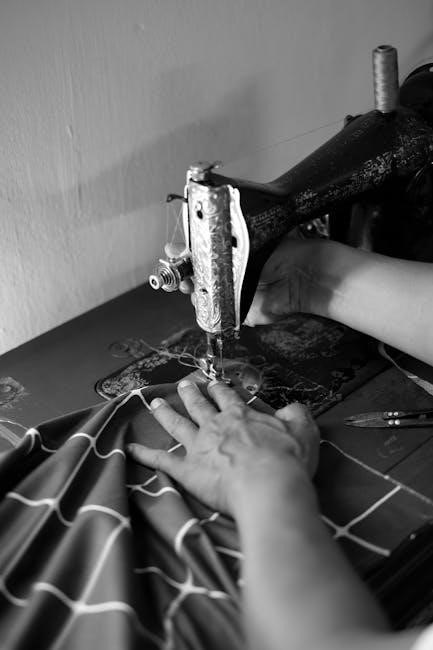
Old Janome manuals frequently dedicate sections to troubleshooting common sewing problems․ Threading issues are consistently highlighted, with detailed diagrams illustrating correct thread paths for various models․ Bobbin winding techniques are also thoroughly explained, addressing problems like uneven winding or thread breakage․
Manuals provide guidance on stitch selection and adjustment, helping users achieve desired stitch lengths and widths․ They also cover issues like skipped stitches, fabric puckering, and needle breakage, offering potential solutions․ Many manuals include preventative maintenance advice, such as regular cleaning and oiling, to minimize future problems․ These guides empower users to self-diagnose and resolve issues, extending the life of their machines․
Threading Problems & Solutions
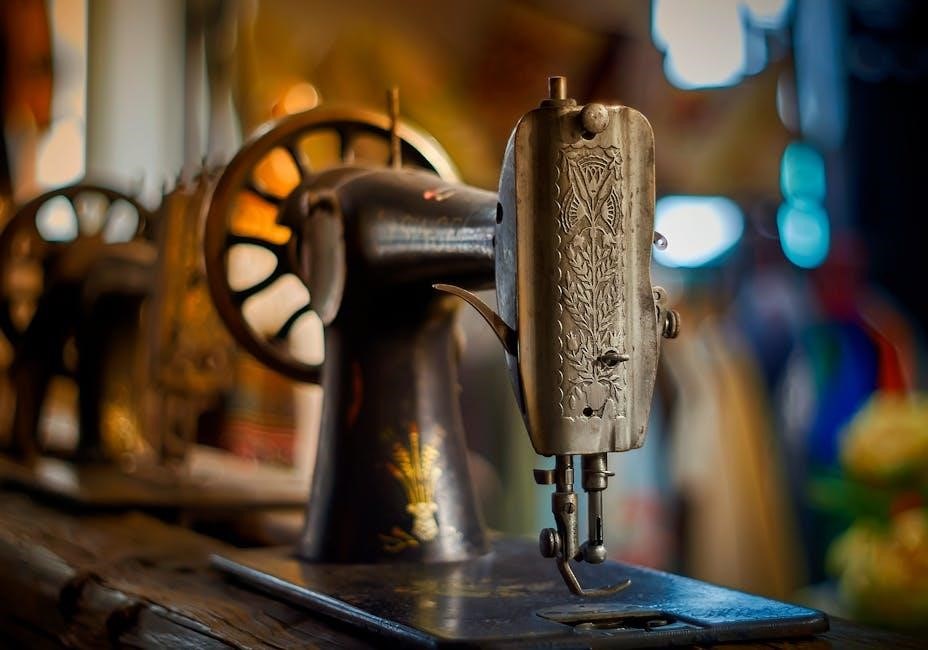
Janome manuals consistently address threading problems as a primary source of user difficulty․ Detailed, often illustrated, diagrams showcase the correct thread path for each specific model, emphasizing proper tension disc engagement․ Common issues like thread nests, broken threads, and skipped stitches are directly linked to incorrect threading․
Solutions often involve re-threading the entire machine, ensuring the presser foot is raised, and verifying the bobbin is correctly inserted․ Manuals also explain how to identify and clear thread jams within the machine’s internal mechanisms․ They stress the importance of using the correct type of thread for the fabric and needle size, preventing further complications․ Proper threading is presented as fundamental to successful sewing․
Bobbin Winding Techniques
Janome sewing machine manuals dedicate significant attention to bobbin winding, a crucial skill for consistent stitch quality․ They illustrate the precise steps for correctly positioning the thread spool, guiding it through the tension discs, and onto the bobbin․ Diagrams clearly show how to engage the bobbin winder mechanism and achieve even winding․
Troubleshooting sections address common issues like uneven winding, thread breakage during winding, or a bobbin that doesn’t fill completely․ Manuals emphasize the importance of using the correct bobbin size and type for the specific Janome model․ They also detail how to adjust the bobbin winder tension if needed, ensuring a consistently well-wound bobbin for smooth sewing operation․
Stitch Selection and Adjustment
Old Janome sewing machine manuals provide detailed explanations of each stitch available on the model, often accompanied by sample stitch diagrams․ They clearly illustrate how to select stitches using dials or buttons, and explain the purpose of each stitch – from straight stitch for basic seams to zigzag for finishing edges and decorative options․
Crucially, manuals guide users on adjusting stitch length and width․ They explain how these adjustments impact the appearance and strength of the seam․ Troubleshooting sections address issues like skipped stitches or uneven stitching, often linked to incorrect stitch settings․ Understanding these adjustments, as outlined in the manuals, is key to achieving professional-looking results with a vintage Janome․
Manuals for Mechanical vs․ Electronic Janome Machines
Old Janome sewing machine manuals differ significantly depending on whether the machine is mechanical or electronic․ Mechanical manuals focus on the intricate interplay of levers, dials, and gears, detailing adjustments made directly to the machine’s internal components․ They emphasize understanding the physical mechanics of stitch formation and tension control․
Electronic Janome manuals, even older ones, introduce concepts like circuit boards and digital displays․ They explain how to navigate menus, select pre-programmed stitches, and utilize features like automatic buttonholes․ Troubleshooting sections for electronic models often involve checking connections and understanding error codes․ Accessing the correct manual type is vital, as instructions for a mechanical machine are useless on an electronic one, and vice versa․
The Importance of Troubleshooting Guides
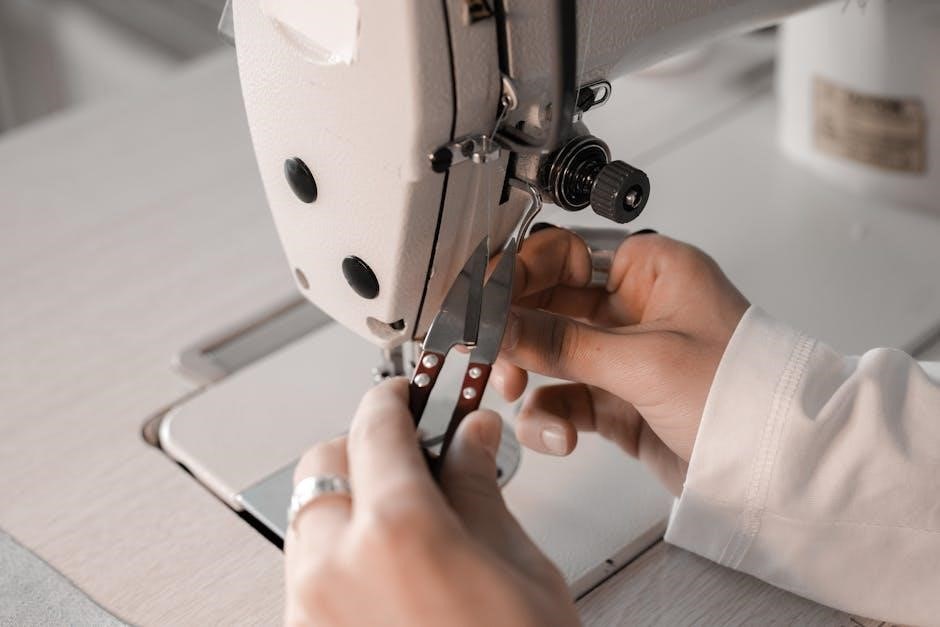
Old Janome sewing machine manuals frequently include detailed troubleshooting guides, proving invaluable for owners of vintage machines․ These sections systematically address common issues like thread bunching, skipped stitches, and tension problems․ They often provide step-by-step solutions, starting with simple checks – like re-threading the machine or cleaning the bobbin area – before moving to more complex adjustments․
The guides are particularly crucial for older models where finding a qualified repair technician can be difficult․ They empower owners to diagnose and fix problems independently, extending the lifespan of their machines․ A well-written troubleshooting section can save time, money, and frustration, ensuring continued enjoyment of these durable and reliable sewing machines․
Downloading and Viewing Manuals: Formats & Software
Old Janome sewing machine manuals, often sourced from the Internet Archive, are typically available as PDF files․ These PDFs can be opened and viewed on most computers and mobile devices using readily available software․ Adobe Acrobat Reader is a popular, free option for viewing PDFs, offering features like zoom, search, and printing․
Some manuals may be larger files due to scanned images, requiring a stable internet connection for download․ Online viewing directly within a web browser is also often possible, eliminating the need for a download․ For older computers or devices with limited storage, online viewing is a practical solution․ Ensuring you have updated PDF viewing software guarantees optimal readability and functionality․
Preserving Physical Janome Manuals
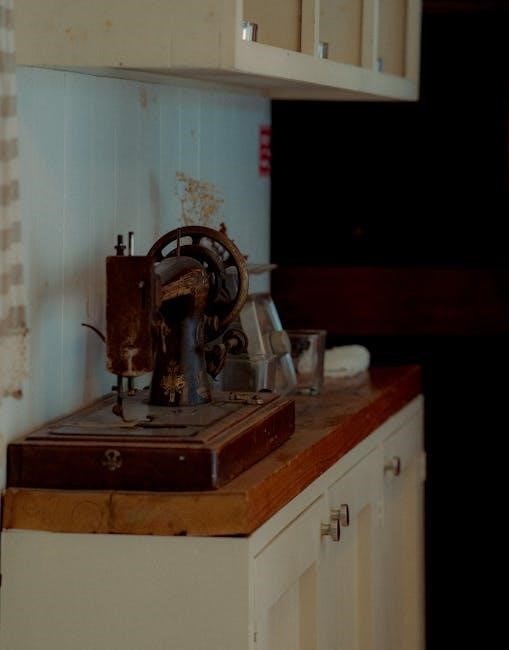
For those fortunate enough to possess original, physical Janome sewing machine manuals, proper preservation is crucial․ Store manuals in a cool, dry place, away from direct sunlight, which can cause fading and deterioration․ Acid-free archival sleeves or boxes offer excellent protection against dust, moisture, and handling wear․ Avoid storing them in attics or basements prone to temperature fluctuations and humidity․
Digitizing these manuals is a proactive step towards long-term preservation․ Scanning each page and saving it as a PDF creates a digital backup, safeguarding the information against physical damage or loss․ This also allows for easy sharing and access without risking the original document․ Careful handling during scanning is essential to avoid further wear․
Proper Storage Techniques
Maintaining the condition of vintage Janome manuals hinges on employing effective storage techniques․ Prioritize a stable environment – cool, dry, and dark is ideal․ Avoid locations with significant temperature swings, like attics or garages, as these accelerate paper degradation․ Utilize acid-free materials; archival-quality boxes, sleeves, and interleaving paper prevent yellowing and brittleness․
Flat storage is preferable to stacking, minimizing pressure and potential creasing․ If stacking is unavoidable, limit the height and insert acid-free board between manuals․ Protect against pests by ensuring the storage area is clean and sealed․ Regularly inspect manuals for signs of deterioration, such as mold or insect damage, and address issues promptly to prevent further harm․
Digitizing Old Manuals
Preserving Janome manuals extends beyond physical storage; digitization offers long-term accessibility and protection․ Employ a flatbed scanner with a high resolution (300-600 DPI) for optimal clarity․ Carefully scan each page, ensuring proper alignment and cropping․ Save files as PDF, a universally compatible format, and consider OCR (Optical Character Recognition) to make the text searchable․
Back up digital copies in multiple locations – cloud storage, external hard drives, and USB drives – to safeguard against data loss․ Name files descriptively, including model number and manual section․ Sharing digitized manuals online, through platforms like the Internet Archive, contributes to the community and ensures wider access to this valuable resource․
Resources Beyond the Internet Archive
While the Internet Archive is a cornerstone, several other avenues exist for locating Janome sewing machine manuals․ Janome’s official website often provides downloadable manuals for newer models, and sometimes archived versions of older ones․ Exploring online Janome sewing communities and forums is invaluable; experienced users frequently share manuals or offer guidance on locating specific documents․
Dedicated sewing machine parts and manual retailers may also stock original or reproduction manuals․ Searching auction sites like eBay can occasionally yield original Janome manuals, though condition and price vary․ Remember to carefully verify the manual’s compatibility with your specific model before purchasing․
Janome’s Official Website & Support
Janome’s official website serves as a primary resource, though its focus leans towards current models․ A dedicated support section often hosts downloadable manuals for recently manufactured machines․ However, finding manuals for vintage Janome models directly on their site can be challenging․ It’s worth exploring the “Support” or “Downloads” sections, utilizing specific model numbers for targeted searches․
Contacting Janome’s customer support directly might yield results, particularly if you possess the machine’s serial number․ While they may not have physical copies of older manuals readily available, they could potentially direct you to alternative resources or provide limited troubleshooting assistance․ Remember to be prepared with detailed model information when contacting support․
Online Janome Sewing Communities & Forums
A wealth of knowledge regarding old Janome sewing machine manuals resides within dedicated online communities and forums․ Platforms like SewingOnline, and various Facebook groups centered around vintage sewing machines, frequently host discussions where members share scanned manuals, troubleshooting tips, and model-specific advice․ These communities are invaluable for locating hard-to-find documentation․
Experienced Janome enthusiasts often contribute to these forums, offering insights into model variations, common issues, and potential solutions․ Don’t hesitate to post specific requests for manuals or assistance with your machine; the collaborative spirit of these communities often leads to successful outcomes․ Active participation and respectful engagement are key to benefiting from these resources․
Identifying Manuals for Similar Models
Navigating the world of Janome manuals can be tricky, as many models share components or are rebranded versions․ For instance, the Janome 444 was also sold under the Baycrest and New Home brands, meaning a manual for any of these names might be applicable․ Recognizing these connections is crucial when searching for documentation․
Pay close attention to model numbers and features; Even slight variations can impact functionality, so confirm compatibility before relying on a manual for a similar, but not identical, machine․ Online forums and communities (mentioned previously) are excellent resources for confirming cross-compatibility․ Careful observation and comparison are essential for accurate identification and successful repairs․
Preserving access to old Janome sewing machine manuals is vital for maintaining these machines and the rich history they represent․ The Internet Archive and dedicated online communities play a crucial role in this endeavor, offering a digital lifeline for owners and enthusiasts alike․
By digitizing physical manuals and sharing knowledge, we ensure that future generations can continue to appreciate and utilize these durable, well-engineered machines․ Supporting these resources, whether through donations or contributions, helps safeguard Janome’s legacy․ Continued effort in locating, preserving, and sharing these manuals guarantees that these pieces of sewing history will endure․



Leave a Reply
You must be logged in to post a comment.